
Looking for home window tinting near me?
Contact Daylight Glazing today for premium privacy films, solar films, and window glass films for sun protection that bring comfort, style, and efficiency to your home.
Mon-Friday 08:00-17:00,
Sat 10:00- 16:00, Sun Appointment Only
 080 0689 1261 - Free Call | 075 1547 6537 | 0192 346 3382 |
info@daylightglazing.co.uk
|
Mon-Friday 08:00-17:00,
Sat 10:00- 16:00, Sun Appointment Only
080 0689 1261 - Free Call | 075 1547 6537 | 0192 346 3382 |
info@daylightglazing.co.uk
|
Mon-Friday 08:00-17:00,
Sat 10:00- 16:00, Sun Appointment Only
Thinking about household window tinting but not sure if it’s the right choice? You’re not alone. Many homeowners are curious about whether privacy film for glass windows or sun control film for home windows is truly worth the investment.
At Daylight Glazing, we believe that window glass film for sun protection isn’t just about looks—it’s about comfort, efficiency, and privacy. But, like any home upgrade, there are pros and cons of household window tinting. So let’s break down the full picture and explore why you should (or shouldn’t) tint your house windows.
Home window tinting involves applying a thin protective film to your glass windows. This film for windows privacy can be clear, tinted, or reflective, depending on your needs. Popular options include:

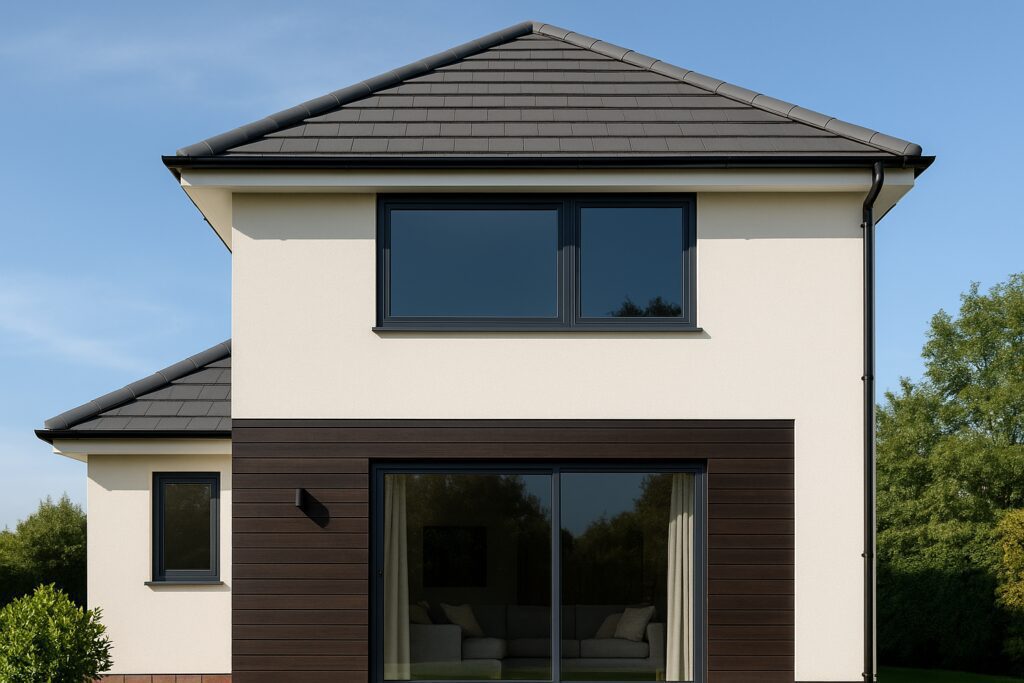
The goal is simple: to improve comfort, save energy, and add style to your home and window setup.
Window tinting isn’t just about appearance. It can:
Whether you’re searching for home window tinting near me or just exploring options, here are the benefits and drawbacks you need to know.


| 1. Energy Savings | 2. UV Protection | 3. Glare Reduction | 4. Enhanced Privacy |
|---|---|---|---|
|
Tinted house windows block excess heat in summer and retain warmth in winter. This reduces the load on your air conditioning and heating systems—cutting energy bills year-round. |
High-quality solar films for windows block up to 99% of harmful UV rays, protecting your skin and preventing furniture, floors, and curtains from fading. |
Watching TV, working on your laptop, or just relaxing by the window becomes easier with sun control film for home windows, which reduces glare and improves screen visibility. |
Privacy film for glass windows makes it difficult for outsiders to look in, giving you peace of mind while still letting natural light through. Ideal if you live on a busy street or want more comfort indoors. |
| 5.Heat Control | 6.Extra Protection | 7. Reduced Cooling Costs |
|---|---|---|
|
Solar films window technology helps regulate indoor temperature—blocking heat during summer and keeping warmth inside during colder months. |
In case of an accident or attempted break-in, privacy window film and tint layers help hold shattered glass together, reducing risks of injury. |
By keeping your interiors cooler, your air conditioning won’t have to run constantly—helping lower electricity bills over time. |
Looking for home window tinting near me?
Contact Daylight Glazing today for premium privacy films, solar films, and window glass films for sun protection that bring comfort, style, and efficiency to your home.
| 1. Reduced Night Visibility | 2. Upfront Installation Costs | 3. Risk of Bubbles or Peeling | 4. Legal Restrictions |
|---|---|---|---|
|
Dark tints and certain privacy screen window films may make it harder to see outside at night, especially in low-light areas. |
High-quality house windows tint applied by professionals can be expensive initially. However, the long-term savings often balance out the cost. |
Poorly installed film for windows privacy may lead to bubbling or peeling over time. Choosing trusted experts like Daylight Glazing ensures a flawless finish. |
Some regions regulate how dark residential tints can be. Always check local laws before installing glass privacy film to avoid fines. |
If you value privacy, energy savings, and UV protection, then Household Window Tinting is definitely worth considering. From privacy films for glass to advanced solar films window solutions, you can customize your home’s comfort while saving on bills.
However, if you’re worried about cost, reduced nighttime visibility, or maintenance, you may want to explore alternatives like smart glass technology, which adjusts tint automatically (but comes at a higher price).
Pros: Energy savings, UV protection, privacy, glare reduction, heat control, better aesthetics, safety, and long-term value.
Cons: Nighttime visibility, upfront cost, poor installation risks, and legal restrictions.
By weighing these pros and cons, you can decide if home window tinting or glass privacy film is the right choice for your home.
✨ At Daylight Glazing, we specialize in high-quality window glass films for sun protection, privacy window film, and solar films window solutions designed to make your home more comfortable and stylish.
📞 Contact us today to get a free consultation or visit our showroom to explore the full range.
Professional house windows tint can last 10–20 years depending on film quality and installation.
Yes. Glass privacy film can be removed safely by professionals without damaging your windows.
Yes. Solar films window solutions block harmful UV rays, protecting your skin and reducing the risk of sun-related health issues.
Absolutely. Sun control film for home windows helps lower AC usage in summer and retain warmth in winter, reducing energy costs.
Yes. Darker privacy film for glass may reduce visibility at night, but lighter films maintain clarity while still offering protection.