

How to Get Rid of Ladybirds in Window Frames

Ladybirds may look harmless and even cute compared to other insects, but when they start gathering in large numbers, they can quickly become a nuisance. A ladybird infestation in the house can be disruptive—especially if they decide your window frames are the perfect place to settle. 

While these colourful beetles aren’t usually harmful, dealing with a ladybird nest in window frames or seeing black ladybirds in your house can be quite unsettling. In this guide, Daylight Glazing explains how to get rid of ladybirds in window frames, what attracts them, and the best ways to prevent them from coming back. 

What Are Ladybirds?

Despite their cute appearance, ladybirds are actually beetles. The most familiar species in the UK is the seven-spot ladybird, which has a red body with black dots. However, there are over 5,000 species worldwide, with varying colours and patterns. 


Ladybirds are beneficial to gardeners because they feed on pests such as aphids—each ladybird can eat around 5,000 in its lifetime. They thrive in gardens, grasslands, and even urban areas. During colder months, they look for somewhere warm to hibernate, which often leads them inside homes through cracks or open windows. 

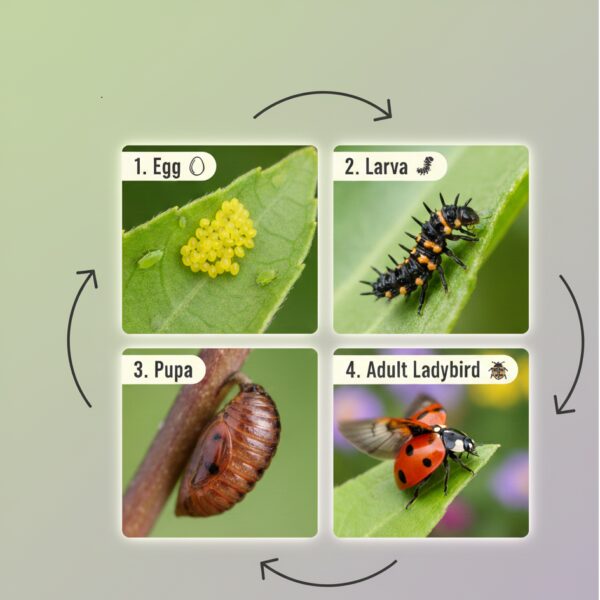
What Is the Life Cycle of a Ladybird?

Ladybirds can have one or more broods each year, depending on the species. They lay eggs in batches of up to 40, which hatch within 4–10 days. The larvae grow for several weeks before entering the pupal stage, eventually emerging as adult ladybirds ready to start the cycle again. 

How to Get Rid of Ladybirds in Window Frames   | Daylight Glazing

How to Get Rid of Ladybirds

Ladybirds generally don’t pose a danger and may leave your home after a short stay. However, if they have chosen your property as their hibernation spot, you might find hundreds clustering around windows and walls—a clear sign of a ladybird infestation in house. 

DIY removal methods are often ineffective and can even be inhumane. Using chemical sprays or harsh cleaners can also damage your window frames. Instead, it’s best to contact a professional pest control service who can safely remove them and clean any ladybird nest in window frames. 

If you prefer a natural approach, consider using ladybird repellent products made from essential oils such as citrus, clove, or bay leaf. These strong scents are known to discourage ladybirds from staying indoors. 

How to Stop Ladybirds Coming in the House

Ladybirds are naturally drawn to warm, sheltered areas, which makes your home an ideal refuge once the temperature drops outside. While you can’t control the seasons, you can take practical steps to stop ladybirds coming in the house and prevent future infestations. 

Here are some easy prevention tips:

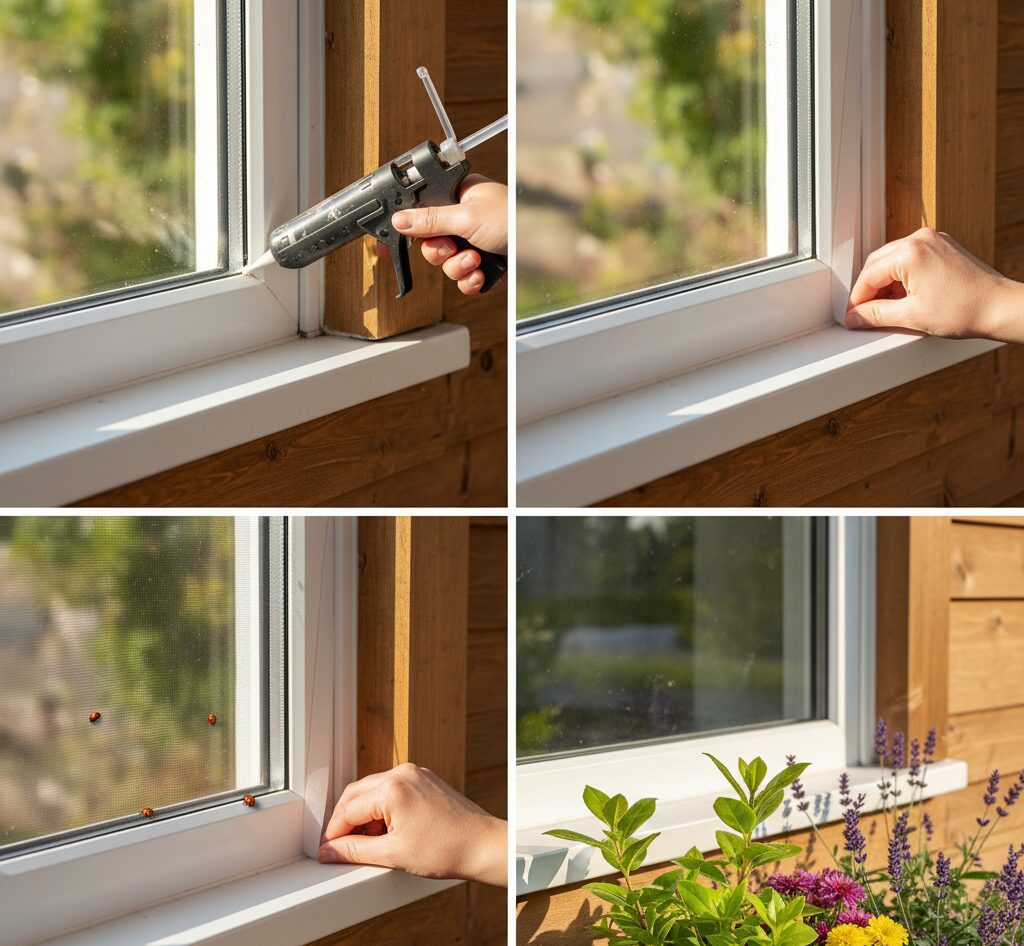
Check for cracks or gaps around your window frames, doors, vents, and roofline. Use sealant or mesh to block off potential access routes.

As mentioned, citrus peels, cloves, and bay leaves can act as a ladybird repellent and discourage them from nesting indoors. 

Ladybirds love undisturbed, hidden areas. Regular cleaning reduces hiding spots and makes your home less appealing to them.

Even though these tips are effective, infestations can still occur during peak ladybird season, so keeping an eye on your window frames is key. 

How to Get Rid of Ladybirds in Window Frames   | Daylight Glazing

How to Clean Ladybird Nest in Window Frames

If you find a ladybird nest in window frames, start by gently vacuuming the insects using a nozzle attachment, and then dispose of the vacuum bag outdoors. Next, wipe the frame using a mild soap and warm water mixture to remove residue or odour trails. Avoid harsh chemicals that can damage the frame’s finish. For aluminium or uPVC windows, Daylight Glazing recommends using a soft cloth and non-abrasive cleaner to keep them spotless and well-maintained. 

Are Harlequin Ladybirds Bad?

One type of ladybird that has recently gained attention in the UK is the Harlequin ladybird. These were introduced from Japan in 2004 and have since spread rapidly. As their numbers have grown, native species—like the seven-spot—have declined. 

So, are Harlequin ladybirds bad? While they’re not harmful to humans, they do pose a threat to native ladybirds. The Harlequin species carries a fungal disease that affects other insects, leading to concerns among ecologists and pest experts. However, there’s no need to panic—this “bad ladybird” is only dangerous to other bugs, not people. 

Final Thoughts

While ladybirds are generally harmless, a ladybird infestation in house or ladybirds in window frames can be frustrating. By following simple prevention steps and keeping your window frames properly sealed and clean, you can stop them from returning. 


If you’re struggling to get rid of them, professional help can ensure the affected areas are treated safely and thoroughly. And remember—whether it’s window cleaning, maintenance, or repair, Daylight Glazing is always here to help keep your windows in perfect condition.

Need Help?

FAQs

If you’re looking for how to get rid of ladybugs home remedy, try mixing water with white vinegar or lemon juice and spraying it around window frames, corners, and other entry points. The strong scent acts as a natural deterrent. You can also place cloves or bay leaves on windowsills to discourage them from nesting. Regularly cleaning your window frames will also make them less inviting for ladybirds looking to hibernate. 

If you’ve noticed a sudden increase in ladybirds during the autumn months, you’re not alone. As temperatures drop in September and October, ladybirds look for warm, sheltered spots to hibernate — and homes make the perfect refuge. They often gather in clusters around window frames and corners, forming what appears to be a ladybird nest in window frames. Keeping windows sealed and using ladybird repellents can help prevent them from entering your home. 

Ladybirds produce a strong, unpleasant odour that helps protect them from predators, as it can have mild toxic effects on smaller animals. However, they are not poisonous to humans and generally pose no health risk — even if you come into contact with them on your window frames or inside your home. 

It’s always best to avoid killing ladybirds if possible. There are several humane ways to get rid of ladybirds, such as using a ladybird repellent, sealing entry points, or gently vacuuming them up and releasing them outside. However, in severe ladybird infestations in the house, when other remedies fail, some homeowners may resort to stronger solutions or a ladybird killer spray — ideally with the help of a pest control expert.